
Catfish Fishing at Lewis Smith Lake
The accessible, family-friendly fishery that produces year-round action — especially after dark.
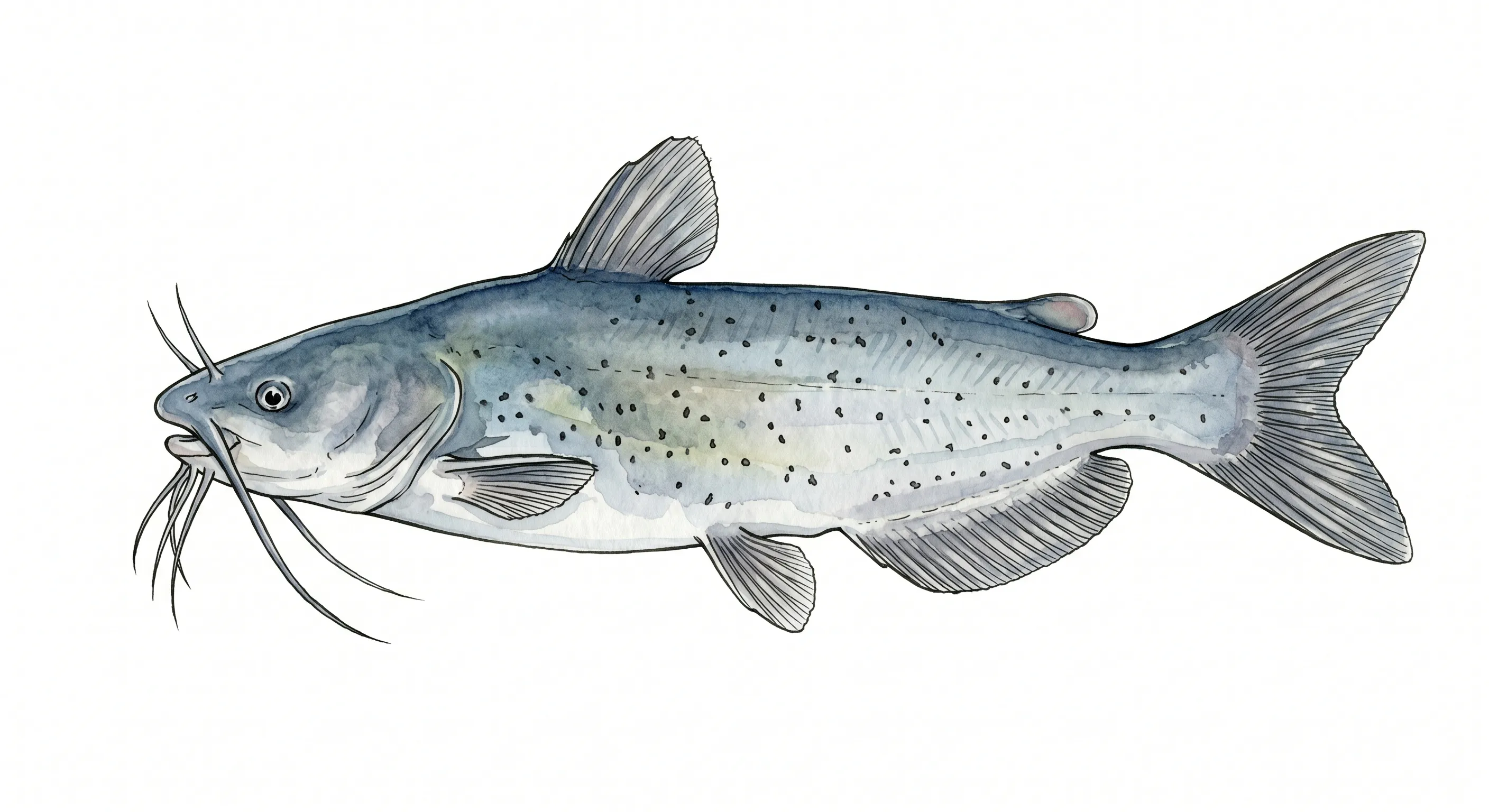
Catfish at Smith Lake
Catfish are the great equalizer at Lewis Smith Lake. You don't need fancy tackle, a fancy boat, or years of experience on this particular lake. You need a rod, some bait, a good spot on the bank or a calm cove, and patience. Channel catfish are the primary target, found throughout the lake in numbers that keep anglers busy. The deeper, cleaner water of Smith Lake also holds blue catfish, which grow significantly larger than channels.
For families introducing kids to fishing, catfish are ideal. They're cooperative, they fight well for their size, and a properly prepared catfish dinner is one of Alabama's finest traditions.
Best Time of Year for Catfish
Summer (June–August) is peak catfish season at Smith Lake. Warm water accelerates catfish metabolism and feeding activity. Night fishing during summer is particularly productive — catfish feed most actively in low light and after dark when they feel safe moving into shallower water to forage.
Spring is also strong, especially as water temps rise above 60°F and catfish begin pre-spawn feeding. They'll be found in 8–20 feet near channel edges and transition areas.
Fall and winter slow the bite somewhat, but catfish never completely stop feeding. Move deeper in winter — 25–40 feet in channel holes — and use stronger-smelling baits to attract fish when water is cold.
Best Spots for Catfish
- Creek channel mouths — Where a tributary enters the main lake creates a natural feeding area for catfish patrolling the bottom.
- Sandy/gravel flats — Catfish cruise these areas at night looking for crayfish and small baitfish.
- Deepwater channels — Blue catfish and large channel cats hold in the 20-to-40-foot channel during midday in summer.
- Rock bluffs — Catfish are often found near the base of rocky bluffs where crawfish concentrate.
- Public bank fishing areas — Clear Creek Recreation Area and several other public access points have bank fishing that targets catfish.
Recommended Baits
- Cut shad — Fresh cut shad is arguably the best catfish bait in the lake. View on Amazon →
- Chicken liver — A classic catfish bait that produces results. Use a mesh bait bag to keep it on the hook. View on Amazon →
- Prepared stink bait — Commercially prepared dip baits and punch baits work well in warm weather. View on Amazon →
- Live or fresh-dead crawfish — Excellent catfish bait at Smith Lake where crawfish are native and abundant.
- Nightcrawlers — A classic that always works, especially for channel cats. View on Amazon →
Tackle and Rigging
For most Smith Lake catfishing, medium-heavy rod and reel with 15-to-20-pound monofilament does the job. Use circle hooks (size 2/0–5/0) — they hook fish in the corner of the mouth and make catch-and-release easier. A simple Carolina rig with a 1-to-2-ounce weight, 18-inch leader, and 3/0 circle hook covers most situations.
Regulations Note
Check current Alabama catfish regulations at outdooralabama.com or see our full regulations page. Size and creel limits apply.
Sources & References
Frequently Asked Questions
What species of catfish are in Smith Lake?
Smith Lake is home to both channel catfish and blue catfish. Channel catfish are the more common species and are found throughout the lake, while blue catfish tend to concentrate in deeper water near the dam and main channel. Both species can reach trophy sizes in Smith Lake's cool, nutrient-rich water.
What is the best bait for catfish at Smith Lake?
Cut shad or whole threadfin shad is the most effective bait for channel and blue catfish in Smith Lake. Chicken liver (classic channel cat bait), stink baits, and nightcrawlers also produce. For big blue cats, fresh-cut skipjack herring or large gizzard shad chunks fished on the bottom near the main channel are preferred.
When is the best time to catch catfish at Smith Lake?
Catfish at Smith Lake bite year-round, but summer evenings and nights (June through September) are peak. Channel cats move shallow to feed after dark during warm months. Winter concentrates blue cats in deep holes near the dam, where anchored bottom fishing with cut bait can produce large fish. Spring pre-spawn (April–May) is also excellent as fish feed heavily before nesting.