
Striped Bass Fishing at Lewis Smith Lake
Open-water bruisers that chase shad in schools — and create some of the most exciting fishing moments on the lake.
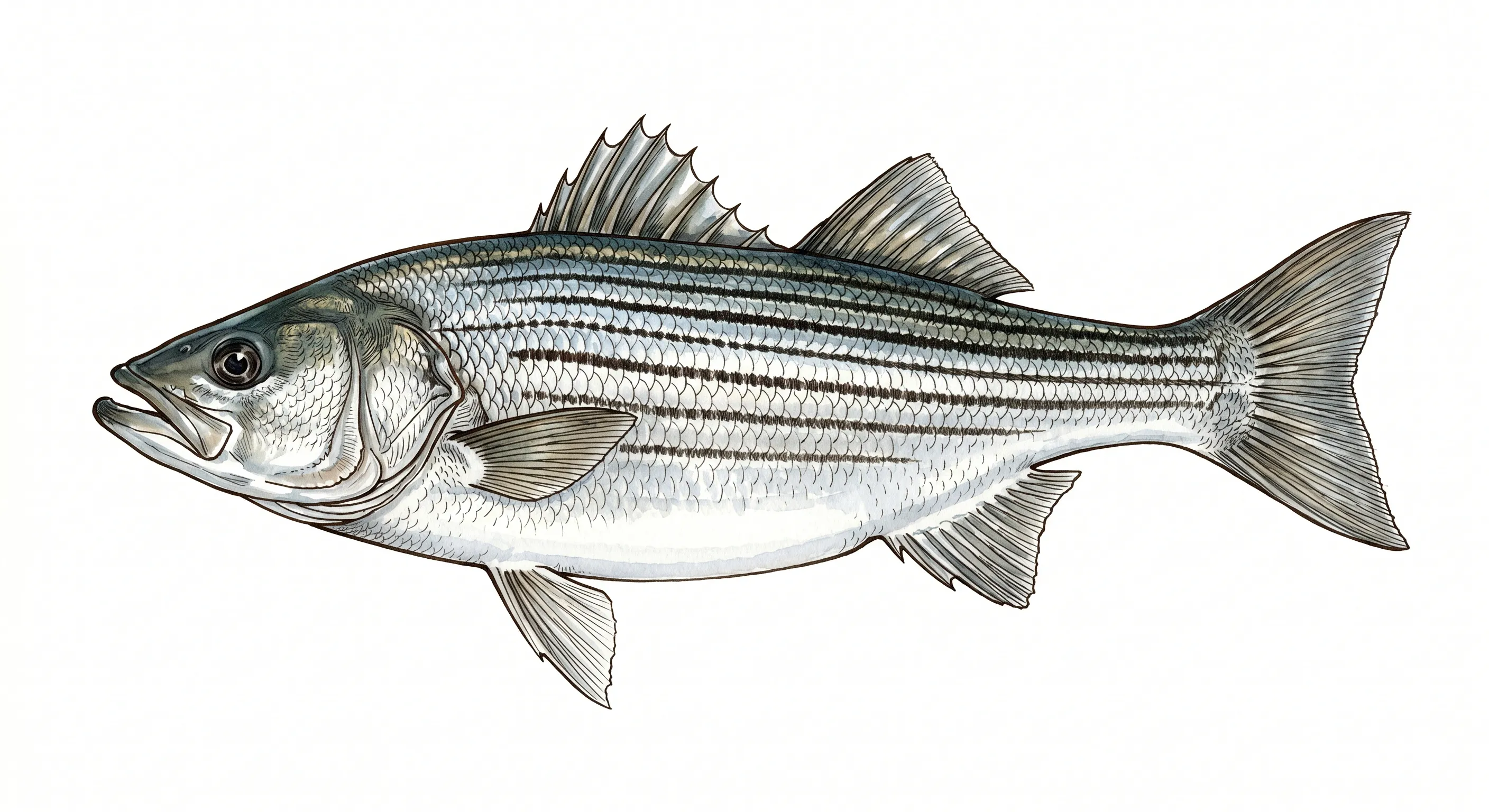
About Striped Bass at Smith Lake
Striped bass were introduced to Lewis Smith Lake and have established a strong landlocked population fed by the lake's abundant shad. Unlike the spotted bass angler who works structure, striper fishing at Smith Lake is primarily an open-water pursuit — you're following fish that follow baitfish, and the action can be anywhere from 5 feet to 60 feet deep depending on the season and time of day.
Smith Lake stripers grow large. Fish in the 15-to-20-pound range are caught regularly, and fish over 25 pounds are taken every year. Because they're schooling fish that chase shad, locating them often means covering water — watching for birds, following sonar marks, or being in the right cove at the right time of day in fall when the blowups happen.
Best Time of Year for Stripers
Fall (October–November) is the most exciting time. As water cools, stripers herd shad against creek banks and up into coves in feeding frenzies. Surface blowups — sometimes covering an acre of water with thousands of fish boiling — are a regular occurrence on Smith Lake in October. Be ready with topwater lures and swimbaits when it happens.
Winter (December–February) is prime time for trophy stripers. Fish congregate in the deepest parts of the main channel, often in 40–80 feet of water. Vertical jigging with blade baits and heavy jigging spoons produces the biggest fish of the year. This is slow, methodical fishing — but the reward can be a fish of a lifetime.
Spring stripers are found in the main lake channel and begin pushing into creeks as water warms. Trolling with deep-diving crankbaits and large swimbaits covers water effectively.
Summer stripers suspend over deep water, often following the thermocline. Early morning and late evening produce the best action. Midday, they'll be in 35–60 feet.
Best Spots for Striped Bass
- Main lake channel — This is striper territory throughout the year. Follow the deep channel to find suspended fish on sonar.
- Dam area — Stripers stack up near the dam in winter, attracted to the current and deep, cool water.
- Point intersections — Where two points create a funnel into a large cove is a classic striper ambush spot in fall.
- Shad schools — In fall, simply follow the birds. Where birds are diving, shad are on the surface — and stripers are below.
- Creek mouths — In fall, stripers school at creek mouths waiting for shad to exit creek arms.
Local knowledge matters more than any map when it comes to finding stripers. If you're new to the lake, connecting with someone who's spent years on the water is worth its weight in gold.
Recommended Tackle & Lures
Fall Topwater & Reaction Baits
- Umbrella rig (Alabama Rig) — The most effective tool for schooling stripers when they're feeding on shad. View on Amazon →
- Large swimbait — A 5-to-7-inch paddle tail swimbait on a heavy jig head mimics a shad perfectly. View on Amazon →
- Topwater pencil bait — When stripers are blowing up on surface, a walk-the-dog lure in chrome or white triggers immediate strikes. View on Amazon →
Winter Deep Jigging
- Blade bait — A 3/4-to-1-oz blade bait jigged vertically over suspended stripers in deep water is the classic Smith Lake winter technique. View on Amazon →
- Jigging spoon — Heavy chrome spoons worked through 40–60 feet produce big stripers in cold water. View on Amazon →
- Heavy line — Unlike spotted bass fishing, striper tackle runs heavier. 15-to-20-lb monofilament or 30-lb braid with a fluorocarbon leader is standard.
Fishing Tips
- Watch for bird activity in fall — diving birds are a near-certain sign of surface feeding stripers
- Use heavy enough tackle — a 15-pound striper on 8-lb line near the boat is a bad situation
- In winter, work your jigging spoon slowly and stay directly over the school you see on sonar
- Live shad is the most effective bait for stripers when you can keep them alive
- Stripers are excellent table fare — but check the current size and creel limits in Alabama regulations
Sources & References
Frequently Asked Questions
How did landlocked striped bass get into Smith Lake?
Striped bass were stocked into Lewis Smith Lake by the Alabama Department of Conservation and Natural Resources beginning in the 1970s. Because the lake is landlocked — they cannot migrate to the ocean — the fish complete their full life cycle in freshwater. Alabama Power's dam created both the isolation and the deep, cold water habitat that stripers need to thrive year-round.
How big do striped bass get in Smith Lake?
Striped bass at Smith Lake regularly reach 20 to 30 pounds. Fish over 40 pounds are caught each season, and the lake has produced trophy-class stripers exceeding 50 pounds. The combination of deep, cold, oxygen-rich water and abundant shad forage allows Smith Lake stripers to grow to impressive sizes.
What is a striper "blowup" and when does it happen?
A blowup is a surface feeding event where large striped bass herd schools of shad to the surface and feed aggressively, often visible as swirling water, diving birds, and splashing from hundreds of yards away. At Smith Lake, blowups most commonly occur in fall (September through November) when cooling surface temperatures allow stripers to chase shad into shallower areas. These events can happen at dawn, dusk, or on overcast days.
What is the best time of day to fish for stripers at Smith Lake?
Early morning (first light through 9am) and evening (2 hours before sunset) are the most productive windows, especially in summer and fall. In winter, midday can be productive as fish move shallower during warmer parts of the day. In extreme summer heat, stripers retreat to deep, thermocline-adjacent water during daylight and are best targeted by deep jigging in 40 to 80 feet of water.